
Digital Assets and RUFADAA: Arizona Estate Planning Essentials
Arizona’s RUFADAA statute, ARS § 14-13102, defines digital assets as electronic records in which a person holds a right or interest, including email, cryptocurrency wallets (like Bitcoin), and online banking accounts. Trusts and powers of attorney must grant explicit digital-asset authority for fiduciaries to access these accounts. Citadel Law Firm PLLC drafts Arizona estate plans addressing digital asset control directly.
Key Takeaways
- Arizona law defines digital assets as any electronic record in which you hold a right or interest under ARS § 14-13102.
- Digital assets include email accounts, social media profiles, cloud storage, financial platforms, and rewards programs beyond cryptocurrency alone.
- Most wills written over two or three years ago completely overlook digital assets representing substantial portions of modern estates.
- Arizona RUFADAA allows you to designate a fiduciary to manage and access your digital assets after death through proper planning.
What Happens to Digital Assets After Death in Arizona?
Under Arizona’s RUFADAA framework, digital property is treated as part of an estate, but access does not happen automatically. State statute defines a digital asset broadly: any electronic record in which a person holds a right or interest. That definition comes directly from Arizona Revised Statutes section 14-13102. It reaches far past photos and documents stored on a hard drive.
The statutory scope covers email accounts, financial platforms, and social media profiles alike. For an Arizona family sorting through a loved one’s affairs, that means online banking logins, brokerage accounts, and even a Facebook page all count as estate property subject to legal transfer.
Why does this matter for East Valley families?
Families across Gilbert, Chandler, and the broader East Valley increasingly manage estates where most financial activity lives online rather than in filing cabinets. A missed cryptocurrency exchange login or an inaccessible email account can delay probate and create real financial loss.
Without proactive planning, surviving family members face steep obstacles. Some find access completely impossible when trying to settle a deceased relative’s online presence after incapacity or death. Tech companies often require court orders, death certificates, or specific legal authority before releasing account data, even to a surviving spouse.
What accounts typically fall under this rule?
Arizona’s definition sweeps in several everyday categories fiduciaries encounter during administration:
- Email and cloud storage accounts
- Online banking and investment platforms
- Social media profiles
- Cryptocurrency wallets and exchange accounts
Each category carries its own access barriers, which is why identifying digital assets early remains a critical step in any Arizona estate plan.

What Is RUFADAA Under Arizona Estate Law?
Arizona’s fiduciary access statute governs who may legally step into a person’s digital footprint after death or incapacity. The Revised Uniform Fiduciary Access to Digital Assets Act, commonly shortened to RUFADAA or written as RUFADDA, sets the rules that trustees, executors, and agents must follow before touching an online account. Arizona Revised Statutes § 14-13102 supplies the underlying legal definition of a digital asset. That definition marks the boundary of what the act actually covers. By 2026, digital wealth makes up a growing, often substantial share of a person’s total estate. Cryptocurrency portfolios, NFTs, and AI-managed investment accounts now sit alongside traditional bank holdings for many Arizona families. Without clear fiduciary authority, these assets can become difficult or impossible for a loved one to locate, let alone claim.Why Does an Old Will Create Problems Under RUFADAA?
A will drafted more than two or three years ago often fails to address newer categories of digital property. Crypto holdings, AI-managed accounts, and online business interests may simply be invisible to a document written before those assets existed. Fiduciaries left without explicit authority face delays, disputes, and locked accounts they cannot access.Can Estate Planning Documents Grant Digital Asset Authority?
Trusts and powers of attorney can be drafted to name a fiduciary with express authority over digital property, consistent with Arizona law. Estate planning services covering the Phoenix East Valley, including Chandler, Gilbert, Queen Creek, and Scottsdale, can structure these documents so digital assets are addressed alongside real estate, financial accounts, and other property, rather than left as an afterthought.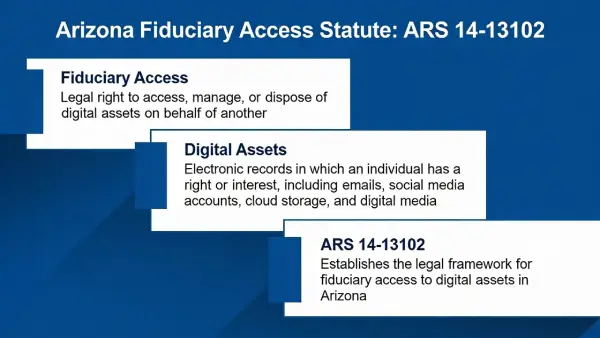
What Digital Assets Should Your Estate Plan Cover?
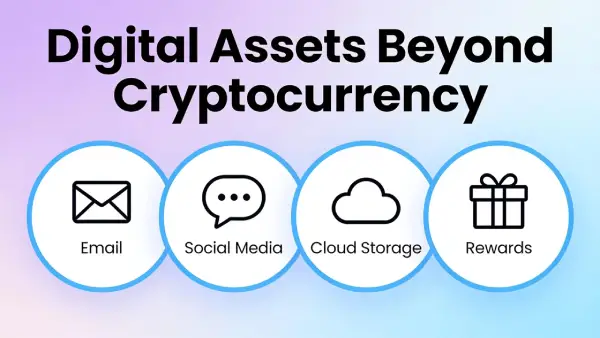
A complete estate plan reaches far past bank accounts and real estate. Arizona families often overlook digital assets, yet these holdings carry real financial and sentimental value. Loss of access to a deceased loved one’s online accounts creates delays, disputes, and sometimes permanent loss of irreplaceable photos, funds, or business records. Digital wealth takes many forms. Email accounts, cloud storage, and rewards program balances count alongside cryptocurrency and financial platforms. Skipping any category leaves gaps that heirs discover only after a crisis, often when it is too late to recover the asset at all.What social media accounts need to be included in a digital estate plan?
Every platform where a person maintains a presence belongs on the list. Facebook, Instagram, TikTok, YouTube, X, and LinkedIn accounts all qualify as digital assets under Arizona planning guidance. Each carries photos, messages, and sometimes monetized content that heirs may want preserved or closed properly.Do online businesses count as digital assets?
Yes. Domain names, websites, and online business accounts require the same identification and instructions as any other property. An Arizona resident running an e-commerce shop or a blog needs a plan naming who inherits or manages that operation. A thorough inventory should include:- Email and cloud storage accounts
- Social media profiles across major platforms
- Cryptocurrency wallets and financial platforms
- Rewards and loyalty program accounts
- Domain names, websites, and online business accounts
How Do Trusts and Powers of Attorney Grant Access?
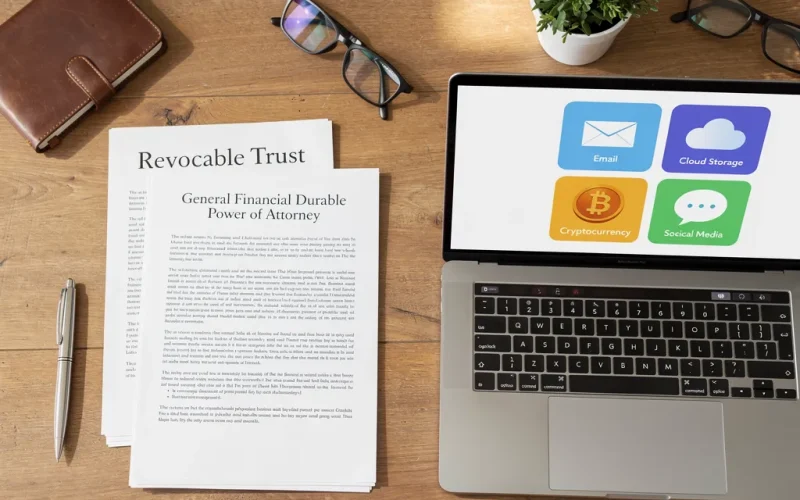
Trusts and powers of attorney grant fiduciaries authority to manage digital accounts only when the documents name those assets specifically. Revocable and irrevocable trusts, wills, living wills, and powers of attorney can all address digital asset access for Arizona families. Generic language often fails to satisfy platform providers. Without explicit authorization, a spouse or adult child may face a locked account despite holding a valid financial power of attorney. Arizona attorneys licensed to practice in the state provide guidance that helps families avoid this exact problem, tailoring documents to include clear digital asset provisions rather than relying on outdated boilerplate.
Cost is often a concern for Phoenix East Valley families weighing these updates. Pricing for powers of attorney and comprehensive estate planning packages varies by package and individual circumstances. Contact Citadel Law Firm PLLC directly for specific details.
Does a power of attorney cover cryptocurrency accounts?
Not automatically. Cryptocurrency wallets and exchange accounts often require explicit fiduciary authorization language. Platform terms of service restrict third-party access without it. A power of attorney silent on digital assets leaves crypto holdings effectively inaccessible to an agent, even after incapacity.
What should families in Gilbert and Queen Creek check first?
Families should review whether existing documents list specific categories of digital property. A checklist helps clarify gaps:
- Does the trust name email, banking, and social media accounts?
- Does the power of attorney authorize cryptocurrency wallet access?
- Are cloud storage and financial platforms addressed separately from physical assets?
Reviewing these questions early prevents costly delays for East Valley fiduciaries later.
How Can You Protect Your Arizona Digital Legacy?
Protection starts with inventory and documentation, not guesswork. Modern life runs through digital platforms, and Arizona families now hold meaningful value in accounts that exist only online. Skipping this step leaves fiduciaries locked out of assets they cannot even locate, let alone access.
What digital assets need to be listed in an estate plan?
Digital assets stretch well beyond email inboxes. Arizona residents typically need to catalog social media profiles, cloud storage accounts, and online business or payment services alongside financial and investment platforms. Each entry should include enough detail for a fiduciary to identify the account and understand its value. Incomplete lists create delays during probate.
A practical starting inventory includes:
- Social media accounts holding personal photos and messages
- Email accounts used for financial or legal correspondence
- Cloud storage containing documents, photos, or videos
- Online business or e-commerce accounts generating income
Should Arizona families work with an attorney on this?
Guidance matters here because digital asset rules intersect with fiduciary access laws in ways many templates overlook. Citadel Law Firm PLLC serves individuals and families across the Phoenix East Valley, including Chandler, Gilbert, Queen Creek, and Scottsdale. Citadel reviews digital account provisions as part of a broader estate plan.
Families can meet with the firm’s attorneys during a complimentary consultation before committing to any plan. That meeting allows a full review of digital holdings alongside traditional assets. Citadel Law Firm applies a apartment-fee structure and draws on more than 30 years of combined finance, and legal experience, building plans that account for digital assets rather than treating them as an afterthought.
Frequently Asked Questions about Estate Planning and Digital Assets in AZ
What counts as a digital asset under Arizona law?
Arizona defines digital assets broadly as any electronic record a person holds a right or interest in, including email, social media, cloud storage, online banking, investment platforms, and cryptocurrency wallets.
Does my existing will already cover digital assets?
Most wills drafted two or three years ago overlook digital assets entirely, leaving substantial portions of modern estates unaddressed. Citadel Law Firm PLLC drafts Arizona estate plans that directly address digital asset control.
Read our comprehensive estate planning checklist for 2026 here.
How do I give my fiduciary authority over online accounts?
Trusts and powers of attorney must grant explicit digital-asset authority before a fiduciary can access accounts. Tech companies often require specific legal authorization, court orders, or death certificates for release. If you want to understand more about it read our article on Digital Assets Checklist for Estate Planning.
Conclusion
In closing, Arizona residents who recognize the importance of protecting their digital legacy alongside traditional assets benefit from a comprehensive estate planning strategy that addresses RUFADAA compliance, powers of attorney, and trust structures. By integrating digital asset management into your overall estate plan, you establish clear directives for your fiduciaries while ensuring your online presence and accounts transition seamlessly according to your wishes. The complexity of modern digital estates demands professional guidance grounded in both Arizona law and financial expertise to safeguard your legacy effectively.
Meet Attorney David Gerszewski

Attorney David Gerszewski is specialized in Estate Planning, Trust & Probate Law and the founder of Citadel Law Firm PLLC. He is known for making legal matters easy to understand. His background in finance and tax law makes the estate planning strategies he designs for his clients just right. He was elected a Rising Star by Superlawyers.com 4 years in a row (2023-2026).
WE WOULD LOVE TO HEAR FROM YOU!
CALL US AT (480) 565-8020
Or use the button below to schedule your free estate planning consultation.
